Personalized Birthday Storybooks for Kids That Feel Truly Custom
A practical guide to creating a personalized birthday story your child will actually connect with.
A strong birthday gift is usually thoughtful. A truly custom birthday story is memorable.
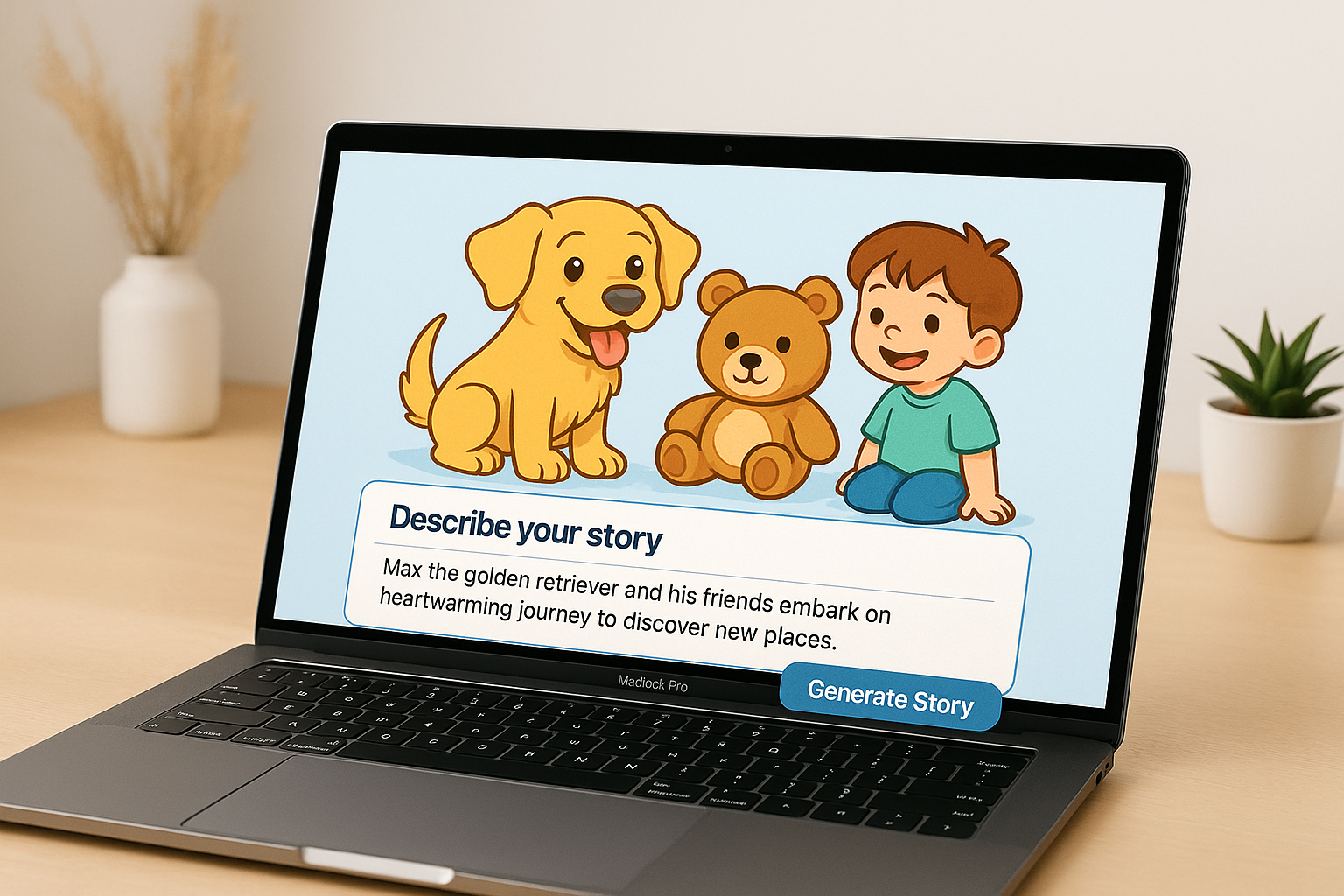
When children see themselves, their favorite toy, their pet, or a loved one in a story, they get a clear signal: this book was made for them. That visual recognition is what makes a personalized book feel like a keepsake instead of another generic card.
MyStoryMates makes that moment easy, but most parents still struggle with the same question:
What should we include so the story feels special and still readable?
Start with one central emotional beat
Before you choose artwork, photos, or length, pick the feeling first:
- pride after a new skill,
- fun during a chaotic party day,
- being brave about school,
- curiosity about a favorite character.
If you know the emotional beat, the rest of the story becomes easier. MyStoryMates can suggest a plot or story line, so you do not have to invent the whole story yourself.
For example:
- "The hero finds the balloon he thought he lost."
- "Your child helps family friends find a surprise for grandma."
- "A shy child leads a birthday celebration with a best friend."
You do not need perfect plotlines. You need one scene where your child recognizes themselves in the story.
Pick details your child already knows
Personalization works best when readers can identify details immediately.
Start with five details:
- name and nickname
- one close family member
- one place they love (like their favorite park or a familiar book)
- one favorite item or concept (like trucks, dinosaurs, a beloved toy, or pet)
- one phrase they often use
Use exact words they use, not the polished version you wish they used. That keeps the text playful and real.
If your child has a funny saying, include it exactly once in dialogue. If they love a toy name, let that toy appear in a recurring scene.
What to avoid
Most generic birthday personalization mistakes come from trying to include everything.
Avoid:
- too many family names
- too many side characters
- moralizing every moment
- long sections without action
- changing the core tone mid-story
Short, specific, and concrete stories usually read best for kids.
Use MyStoryMates features for birthday consistency
Start by creating a Story Mate for your child and one recurring visual style.
Then keep this order:
- Upload the character details you already know.
- Use one event-based prompt.
- Review tone and length.
- Add one small revision and generate again if needed.
- Save the final version for birthday cards, reading night, and repeats next year.
That workflow keeps each new birthday book fast while staying personal.
Quick story seed ideas
If you want speed, try one of these:
- The Birthday Rescue: your child saves the party theme by finding the missing surprise.
- The Gift Keeper: a pet or toy hides the gifts and reveals the best one.
- The Grand Entrance: your child plans the party setup step by step.
- The Family Challenge: cousins create a mini mission together before cake.
- The Quiet Wish: your child gets a meaningful moment with one close person.
FAQ
How many characters should I use?
One named child plus one supporting character is a strong first attempt. Too many characters can slow the read.
Do birthday stories have to be long?
No. Children engage more with clear scenes than long paragraphs.
Can I use the same story for repeated birthdays?
Yes, as long as you update one or two details each year so it still feels fresh.
Want a birthday story your child recognizes on first read?
Design your child's first personalized birthday story and save it as a keepsake.
Ready to make a story they’ll remember?
Try MyStoryMates and create personalized stories starring the people, pets, and toys your child already loves.