How Personalized Social Stories Can Help Kids Prepare for Big Transitions
A gentle, practical way to use familiar characters and clear story steps before a new experience.
New experiences can bring questions. A first day of school, a move, a new sibling, or a doctor visit asks a child to imagine a place and routine they have not met yet. A short social story gives that imagination something concrete to hold onto.
Social stories are not scripts that make every feeling disappear. They are clear stories that show what may happen, name ordinary feelings, and leave room for questions. Reading one together can make a new experience easier to discuss before it arrives.
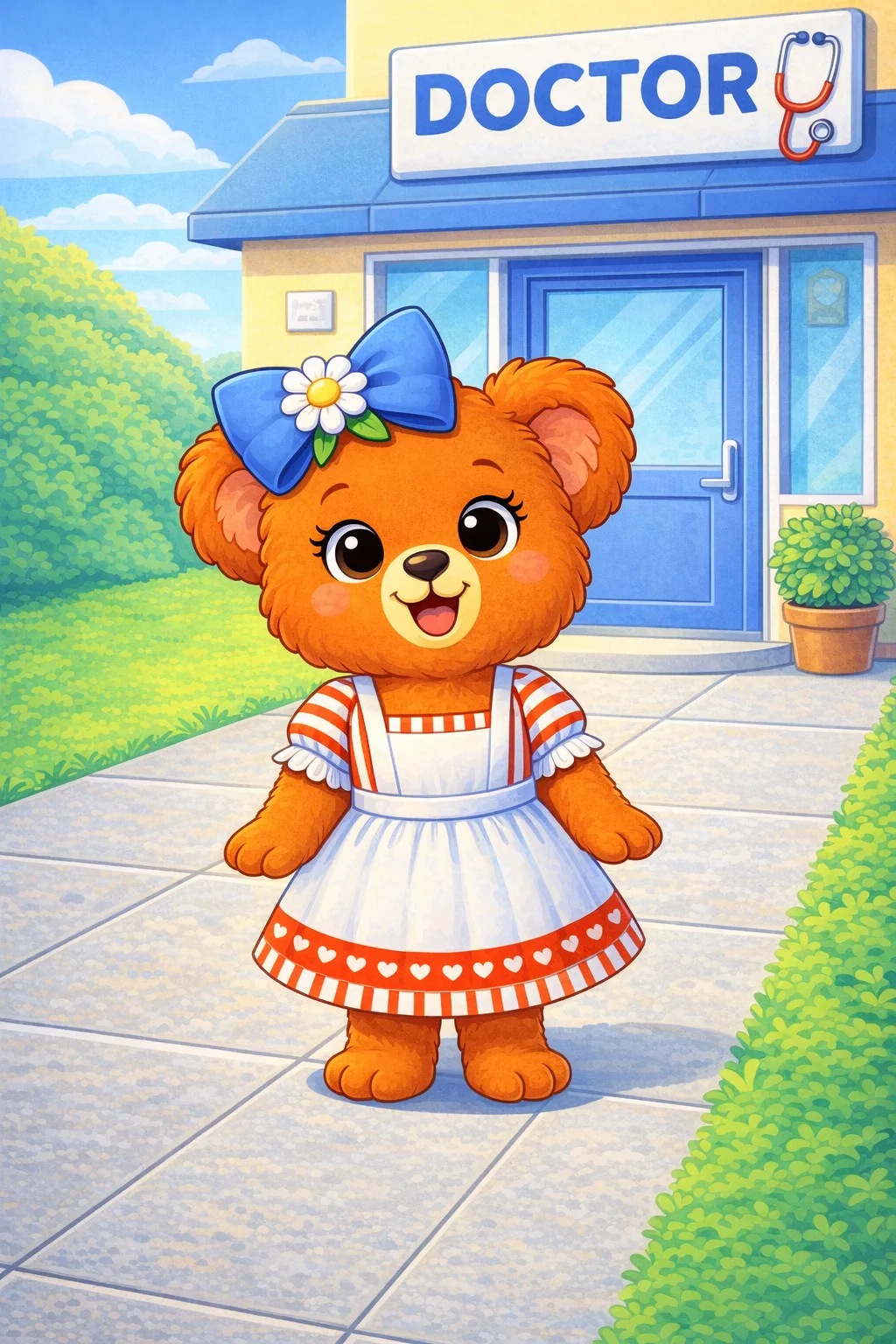
Start with someone they know
Use a familiar main character: your child, a pet, or a favorite toy. With MyStoryMates, families can upload a photo of a loved one, pet, or toy and turn it into a Story Mate for custom illustrated stories. A familiar character can make a new setting feel less abstract.
Keep the story concrete
Small details are often more useful than a broad promise that something will be fine. A school story might include getting dressed, arriving at the door, seeing a teacher, choosing an activity, and coming home. A doctor-visit story might include waiting, meeting the clinician, and asking a grown-up a question.
Use short sentences. Describe what the character sees and does. Leave out details you do not know yet instead of filling the story with guesses.
Include feelings and choices
Name a few possible feelings without deciding what your child must feel. A character might be curious, excited, quiet, or worried. Then show a small choice: hold a grown-up's hand, ask a question, take a breath, or find a familiar object.
A five-part structure
- Meet the familiar character.
- Name the new event in plain language.
- Walk through a few likely steps.
- Make room for feelings and choices.
- End with a familiar routine or person.
Read the story several times, pause for your child's ideas, and change details when you learn more. The story is a conversation starter, not a test.
For help shaping the characters and setting, see How to Make a Personalized Story for Your Child. For a quieter reading ritual, try bedtime story ideas for parents.
Make the next story familiar
Create a Story Mate from someone, a pet, or a toy your child loves, then build an illustrated story around the change ahead.
Ready to make a story they’ll remember?
Try MyStoryMates and create personalized stories starring the people, pets, and toys your child already loves.